
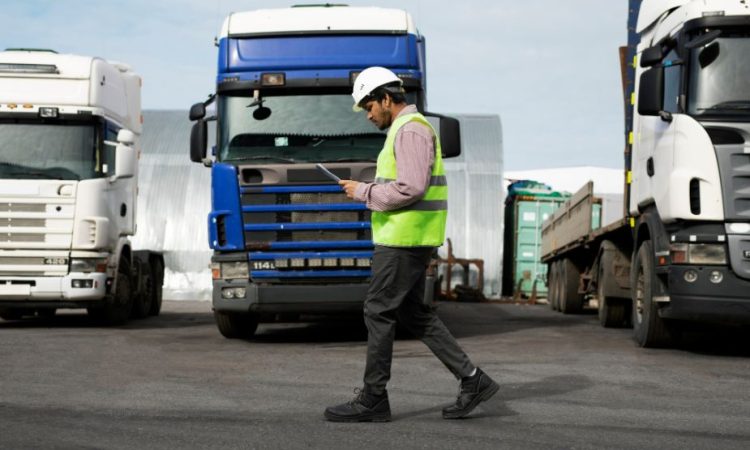
Fleet management has evolved far beyond basic vehicle monitoring. In today’s data-driven business environment, companies are using real-time analytics, GPS tracking, and intelligent software systems to improve efficiency, reduce operational costs, and make faster decisions. As technology continues to advance, fleet management is becoming a central part of how modern businesses operate and compete.
The shift from tracking to intelligence
Traditional fleet management focused mainly on vehicle location and maintenance schedules. Today, businesses expect much more from tracking technology. Modern systems collect large amounts of operational data, including fuel usage, driver behaviour, route performance, idle time, and delivery efficiency. Basic vehicle monitoring is the process of tracking a vehicle’s location, speed, fuel usage, and overall performance using digital tools and sensors.
Real-time data is driving faster decisions
One of the biggest advantages of modern fleet management is real-time visibility. Businesses no longer need to rely on delayed reports or manual communication to understand what is happening on the road.
Live tracking systems allow managers to:
- Respond quickly to delays or disruptions
- Adjust routes based on traffic or weather conditions
- Improve delivery accuracy and scheduling
- Monitor vehicle performance instantly
This level of responsiveness helps businesses operate more efficiently while improving customer experience.
AI and predictive analytics are changing operations
Artificial intelligence and predictive analytics are becoming major components of fleet management systems. Instead of reacting to breakdowns or delays after they happen, businesses can now predict maintenance needs and operational risks before they become serious problems.
Predictive systems can analyze patterns in vehicle performance to identify early signs of mechanical issues, helping reduce downtime and unexpected repair costs. This shift toward preventive management improves both efficiency and long-term fleet reliability.
Sustainability is shaping the future of fleets
As businesses focus more on sustainability goals, fleet management technology is also playing an important role in reducing environmental impact. Tracking systems help companies optimize fuel usage, reduce unnecessary idling, and improve route efficiency.
Electric vehicle integration is also expected to become a larger part of future fleet strategies. Data-driven systems will help businesses monitor battery performance, charging schedules, and energy efficiency across mixed fleets.
Improved driver accountability and safety
Modern fleet systems also improve driver safety and accountability. Businesses can monitor speeding, harsh braking, excessive idling, and other driving behaviours that affect both safety and operational costs.
This data allows companies to provide targeted driver training, reduce accident risks, and improve compliance with transportation regulations. In industries where safety is critical, this level of monitoring has become increasingly valuable.
The future is connected and automated
The future of fleet management will likely involve even deeper integration between GPS tracking, IoT devices, AI systems, and cloud-based platforms. Vehicles, drivers, logistics systems, and customers will all become part of a connected digital network that shares information in real time.
This connected approach will allow businesses to automate many operational decisions, improve supply chain coordination, and create more accurate forecasting models.
Conclusion
Fleet management is no longer just about managing vehicles—it is about managing data. In a business world increasingly driven by real-time information and operational efficiency, companies that adopt intelligent fleet technologies will be better positioned to reduce costs, improve performance, and adapt to changing market demands.
As digital transformation continues across industries, data-driven fleet management is set to become a core part of modern business strategy.

DigiTechnoPost is a top-rated technology and digital transformation blog where we cover the insightful article about the technology, blogging, WordPress, digital transformation, and digital marketing. We can assist you to digitize your business by providing the best digital transformation & marketing tips. You may follow us on Twitter and Facebook.